Skip to content
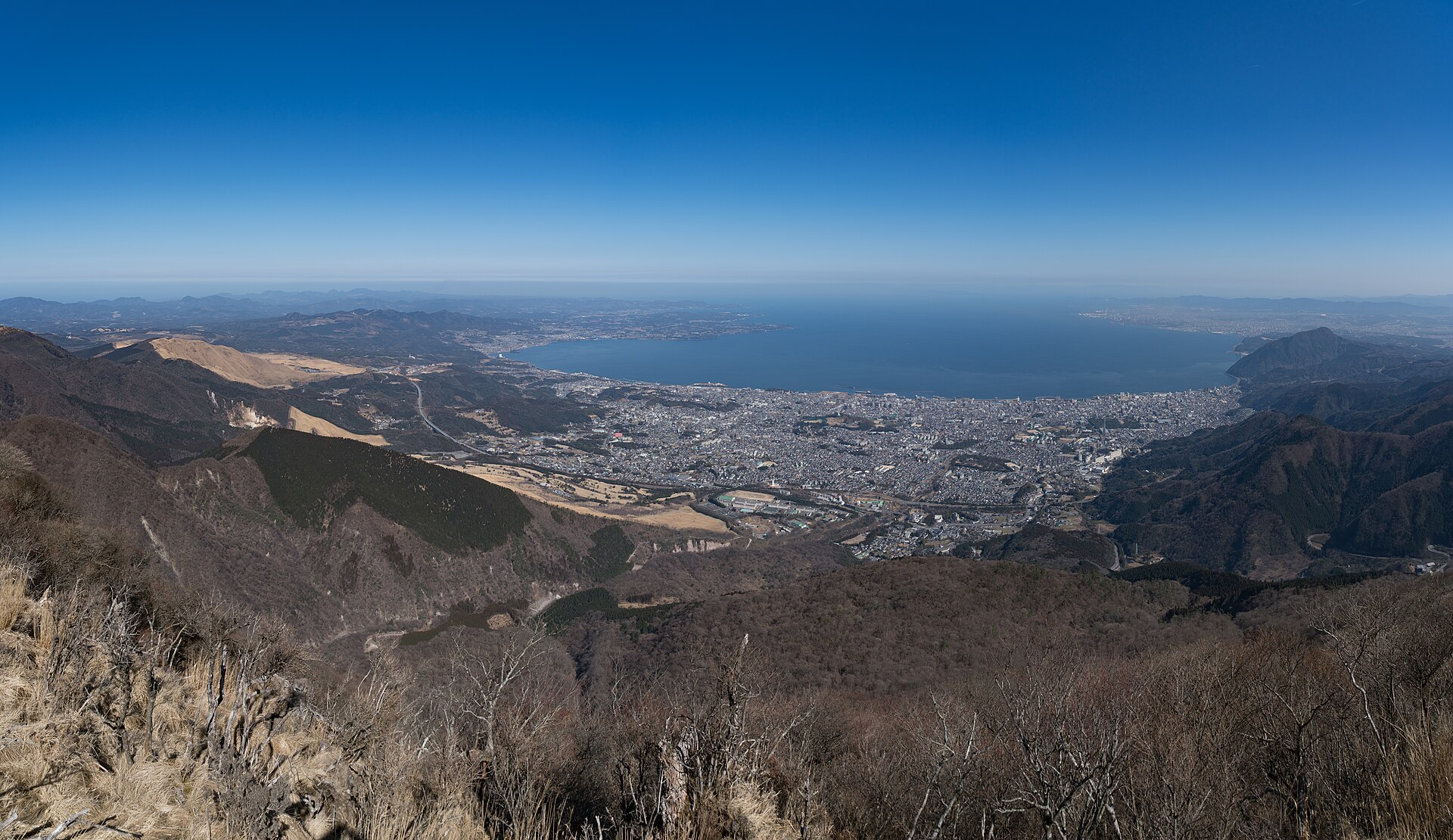
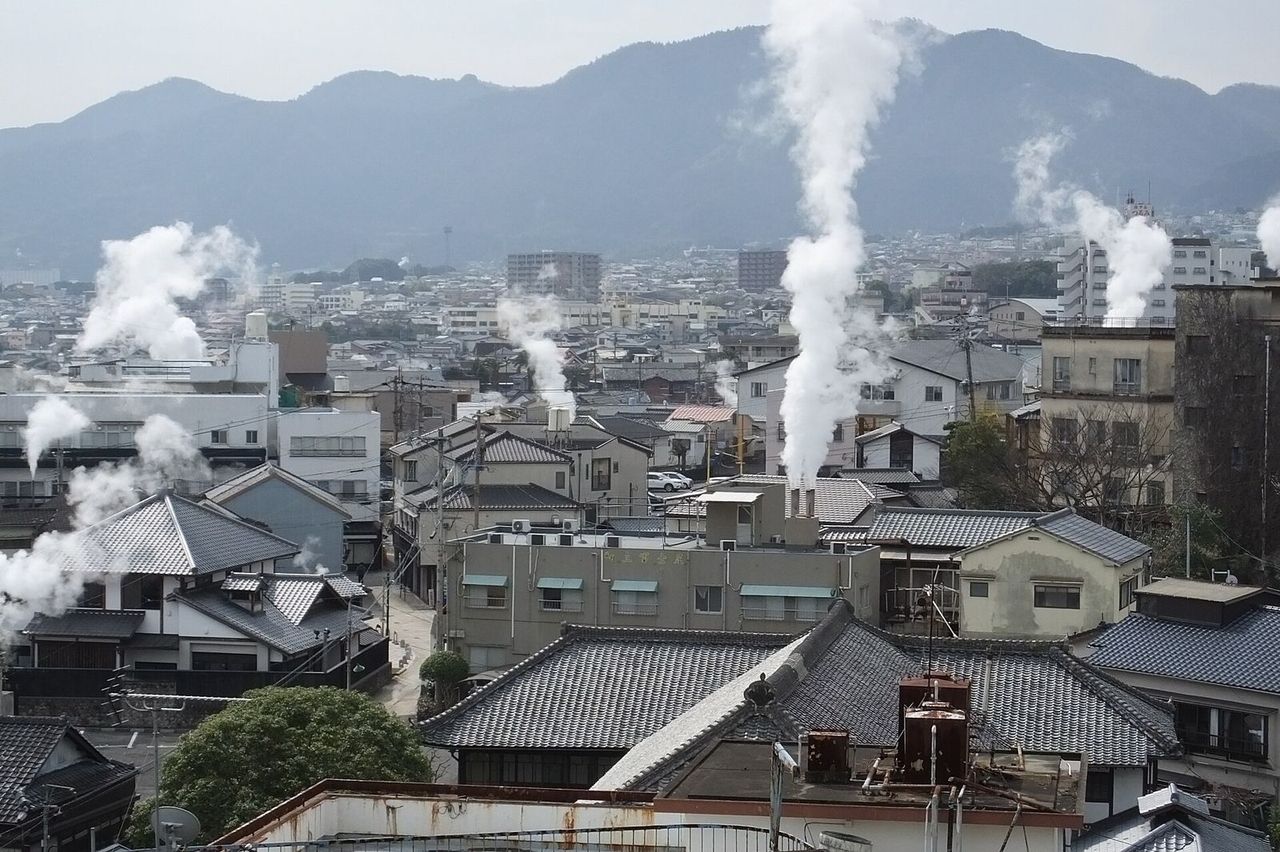
Beppu — Japan's hot-spring capital: some 2,800 springs, steaming 'hells' and sand baths, and a golf club founded in 1930 half an hour up the hill.

Photo: 松岡明芳 · CC BY-SA 4.0 · Wikimedia Commons

Japan

Oita, Kyushu

Beppu

Japan's hot-spring capital: some 2,800 springs, steaming 'hells' and sand baths, and a golf club founded in 1930 half an hour up the hill.

Onsen capitalHells of BeppuSand bathsKannawa & Myoban steamAutumn-to-spring golfYufuinToriten & seki-saba
Plan a trip to Beppu

Why Beppu

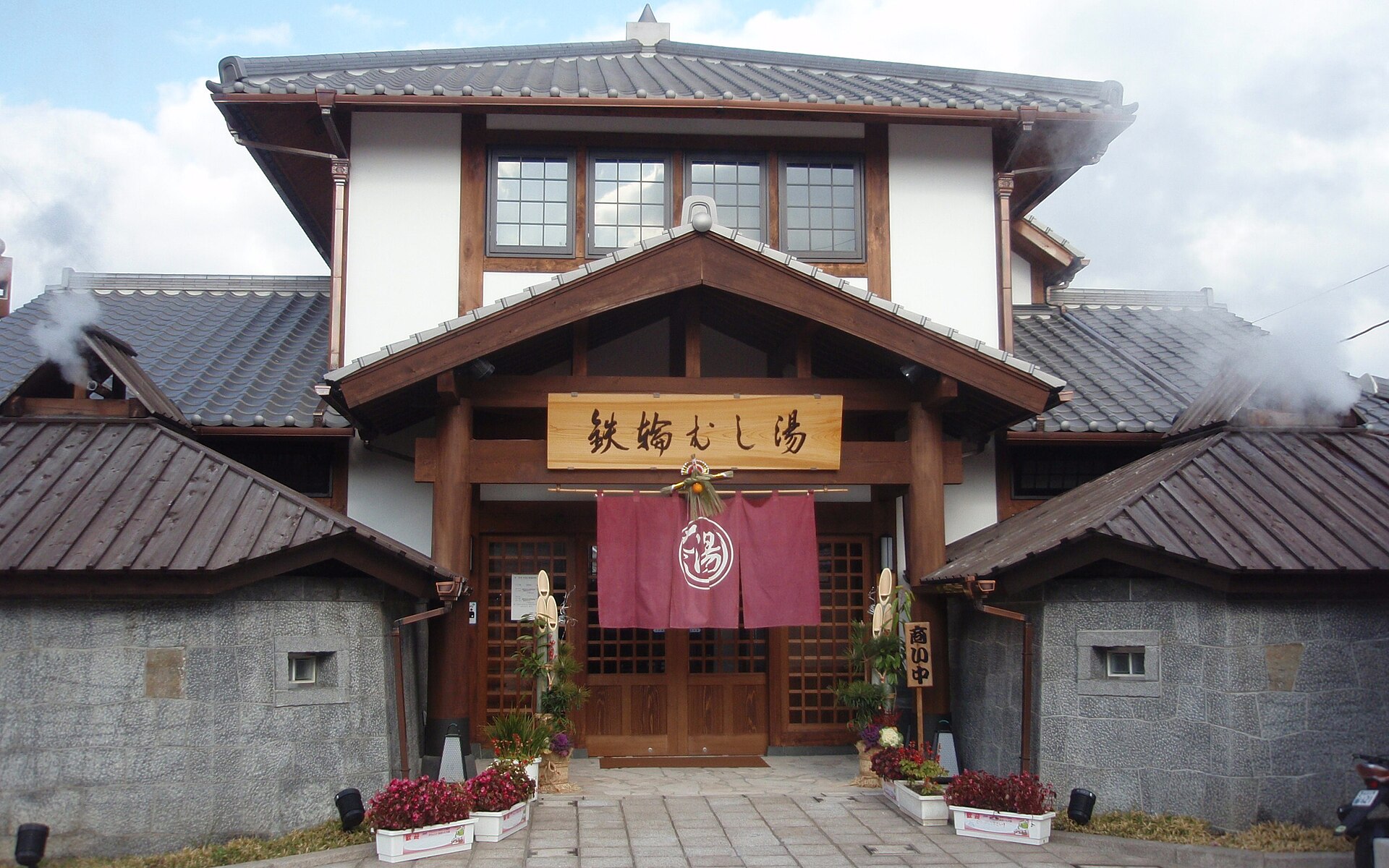
Beppu is a hot-spring town in the most literal sense. About 2,800 sources pour out some 100,000 litres a minute, more than any other town in Japan, and steam rises from vents all along the slope that runs down from Mt. Tsurumi to Beppu Bay. The city has eight onsen districts, the Beppu Hatto. They run from Takegawara's 1938 bathhouse near the station to the steaming lanes and 'hells' of Kannawa and the thatched yu-no-hana huts of Myoban in the hills.

Much of the resort was built by one man. Aburaya Kumahachi opened the Kamenoi inn in 1911, the start of today's Kamenoi Hotel. In 1928 he sent out Japan's first buses with women guides, on tours of the hells, and in 1930 he opened Beppu Golf Club. The club now has 36 holes on a plateau north of the city, half an hour away by car. Winters on this coast are mild and dry, with January highs around 11°C, so golf season runs from autumn to spring. Play a round in the morning, then end the day in a sand bath or over a steam-cooked dinner.

Good for

  • Autumn-to-spring golf with an onsen after every round
  • Travelers who want a real hot-spring town, not a single resort
  • Free days of steam, sand baths and a trip to Yufuin
  • Food travelers: toriten, seki-saba and jigoku-mushi

The map

Where you'll be in Beppu

The city's wards, the towns around them and every hotel and golf course our trips use. Tap a ward or a pin.

BeppuYufuKitsukiHijiUsaOitaKannawaMyobanYufuinMt. Tsurumi
HotelGolf coursePeakBeppu

Boundaries: MLIT National Land Numerical Information (administrative areas), simplified by Dokumo.

6 places

What to see in Beppu

The handful that shape a first visit — each with the tip we give every traveler.

The Hells of Beppu

Photo: Raita Futo · CC BY 2.0 · Wikimedia Commons

Nature

The Hells of Beppu 別府地獄めぐり

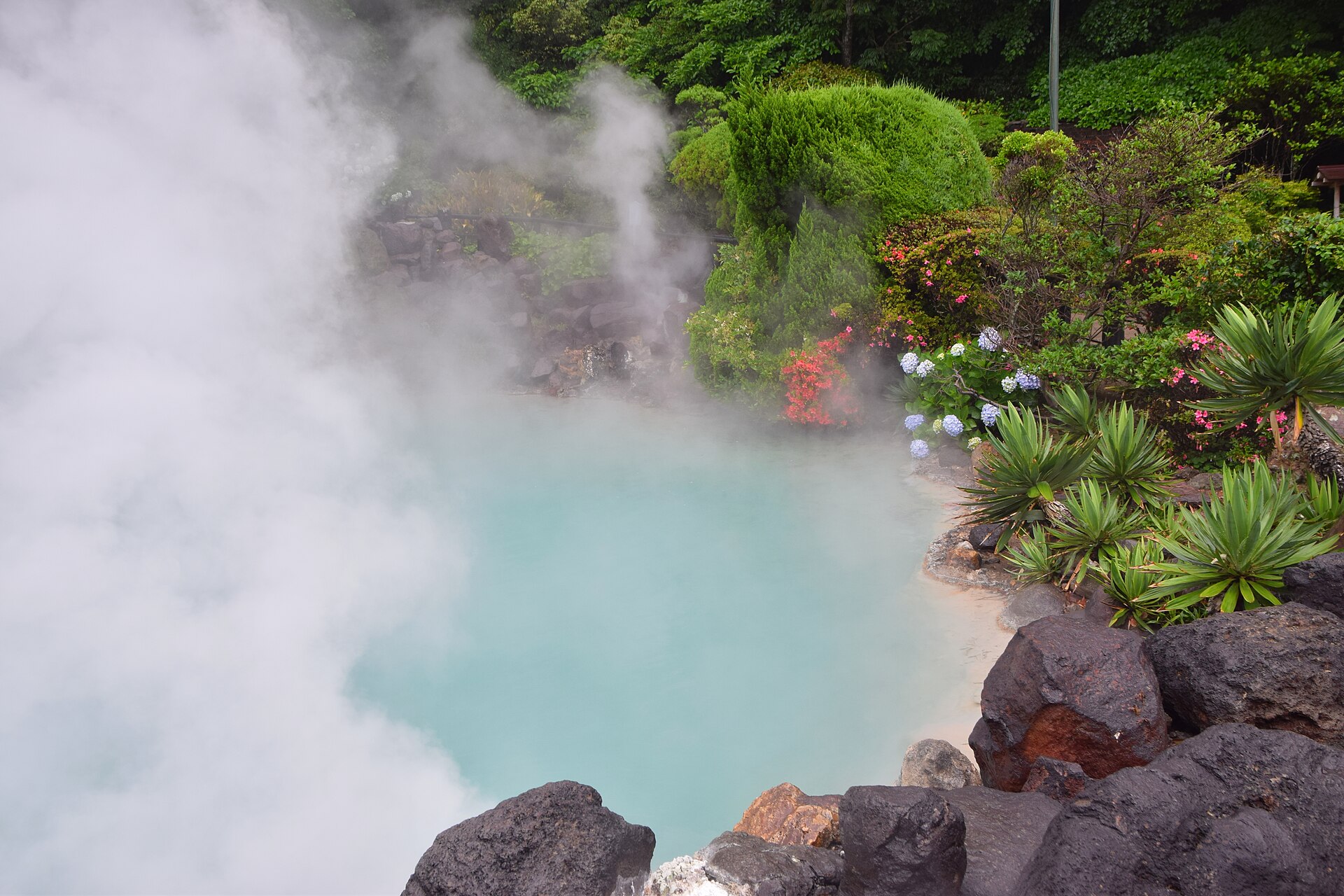
Beppu calls its hottest springs jigoku, or 'hells': pools too hot to bathe in, coloured by minerals and clay. Seven are open to visitors, five in Kannawa and two in nearby Shibaseki. Umi Jigoku is cobalt blue at 98°C. Chinoike Jigoku's red pond appears in an 8th-century provincial record. Tatsumaki Jigoku is a geyser that erupts every 30 to 40 minutes. Four of the seven have been a national Place of Scenic Beauty since 2009, and bus tours have been running here since 1928.

Our tip — One common ticket covers all seven, and the gates open at 8:00. Walk the five in Kannawa first, then take a short bus or taxi ride to Chinoike and Tatsumaki, which stand side by side.
Myoban Onsen

Photo: STA3816 · CC BY-SA 3.0 · Wikimedia Commons

Onsen

Myoban Onsen 明礬温泉

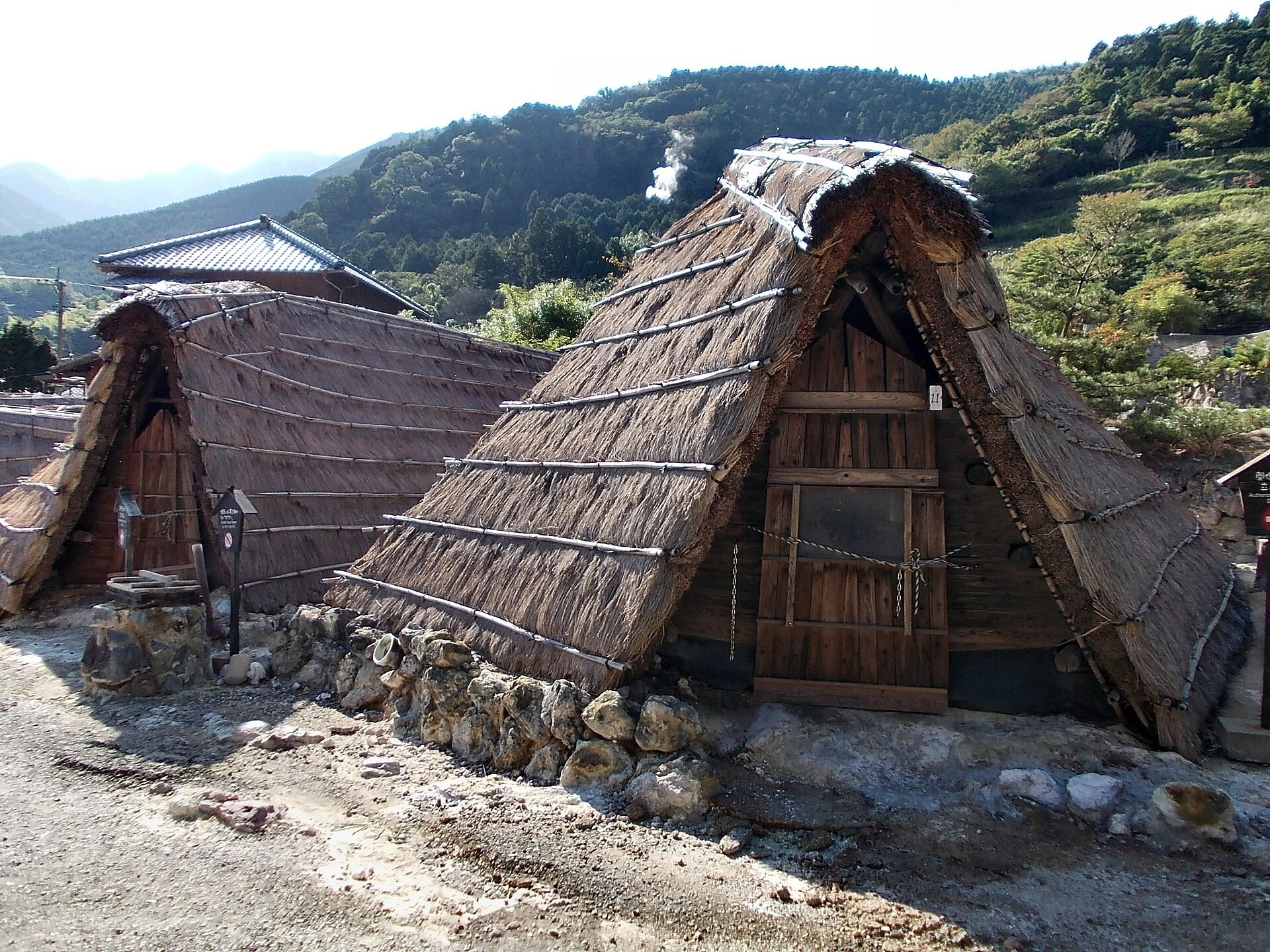
Myoban sits in the hills above Kannawa, where the sulphur springs run milky. For about 300 years, since the Edo period, its thatched yu-no-hana huts have grown bath-salt crystals from volcanic gas and blue clay. The method is used nowhere else, and it was made an Important Intangible Folk Cultural Property in 2006. In 2012 the steam landscapes of Myoban and Kannawa were named an Important Cultural Landscape.

Our tip — At Myoban Yunosato you can look inside a working hut for free, soak in the open-air bath and buy yu-no-hana to take home.

Takegawara Onsen

Photo: Suicasmo · CC BY-SA 4.0 · Wikimedia Commons

Onsen

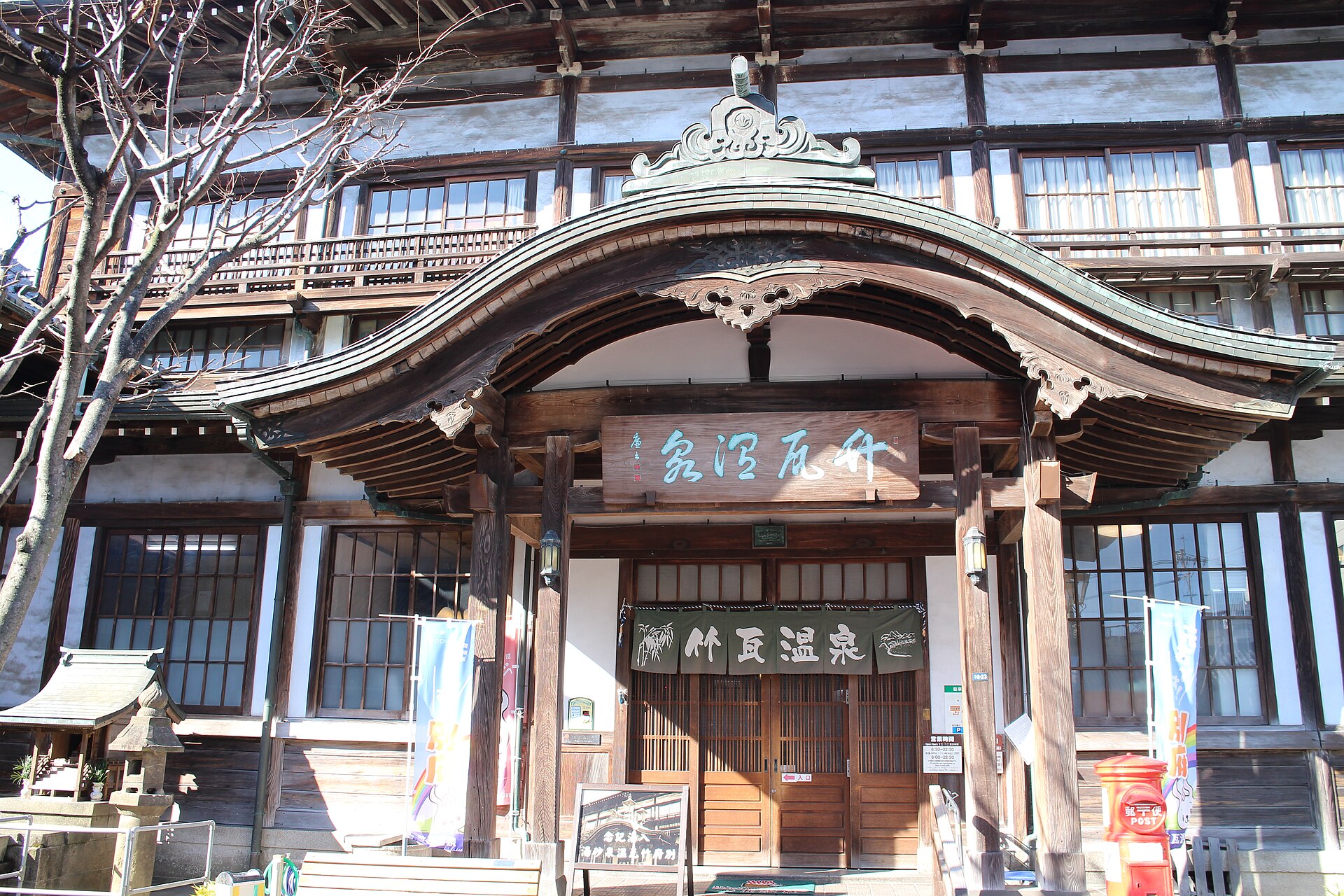
Takegawara Onsen 竹瓦温泉

Beppu's best-known public bath opened in 1879. Its current building, with a sweeping karahafu gable, dates from 1938 and is still the symbol of the town. Besides the ordinary baths there is a sand bath: you lie down in a yukata and an attendant shovels sand warmed by the spring over you. It is a ten-minute walk from JR Beppu Station, in the old lanes of the Beppu district.

Our tip — The sand bath takes no reservations, so go early or late in the evening. From the Kamenoi Hotel it's under ten minutes on foot.

Yufuin

Photo: Suicasmo · CC BY-SA 4.0 · Wikimedia Commons

Town

Yufuin 由布院

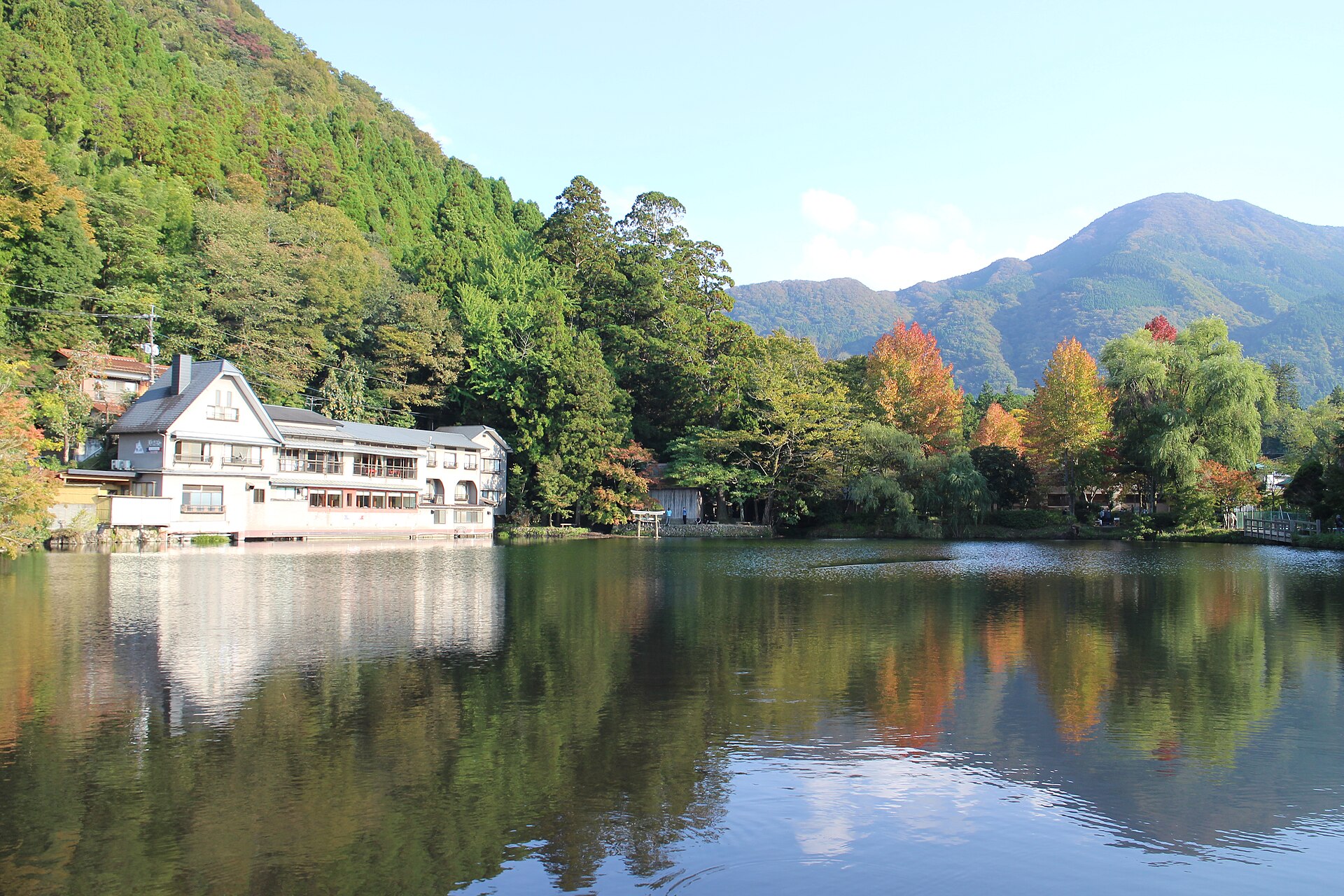
Yufuin is a quieter onsen town over the mountains west of Beppu, in a basin under twin-peaked Mt. Yufu (1,583 m). Shops and galleries line the walk from the station to Kinrinko, a small lake fed by hot and cold springs. The scholar Mori Kuso named it in 1884 for the gold flash of fish scales in the sunset.

Our tip — On cold mornings from autumn into winter, mist rises off Kinrinko, so go early. The Kamenoi bus from Beppu Station takes about 50 minutes.

Beppu Golf Club

Photo: 国土地理院 · Attribution · Wikimedia Commons

Golf

Beppu Golf Club 別府ゴルフ倶楽部

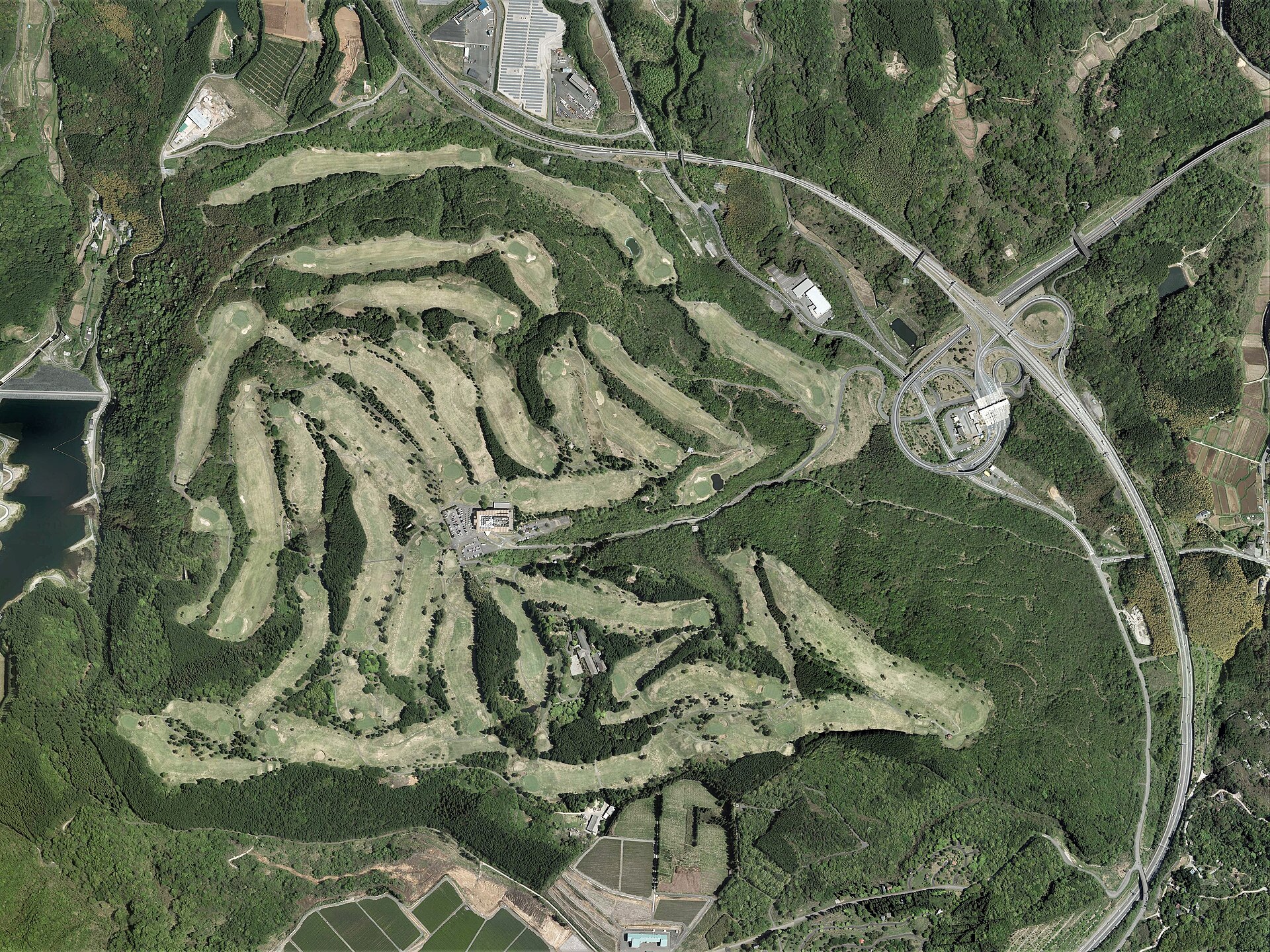
Aburaya Kumahachi, who built Beppu's tourism, opened a nine-hole course here in 1930. It is Oita's oldest course and one of the oldest in Kyushu. The club now has 36 holes on a plateau about 500 m up, north of the city. The Tsurumi course has wide fairways laid over the natural lie of the land, and the hillier Yufu course looks out over the Kyushu mountains. A lodge on the grounds has an open-air hot-spring bath.

Our tip — It's just off the Hayami IC, about 30 minutes by car from Beppu Station and about 40 minutes from Oita Airport.

The Beppu table

Photo: 漱石の猫 · CC BY-SA 4.0 · Wikimedia Commons

Food

The Beppu table 別府の味

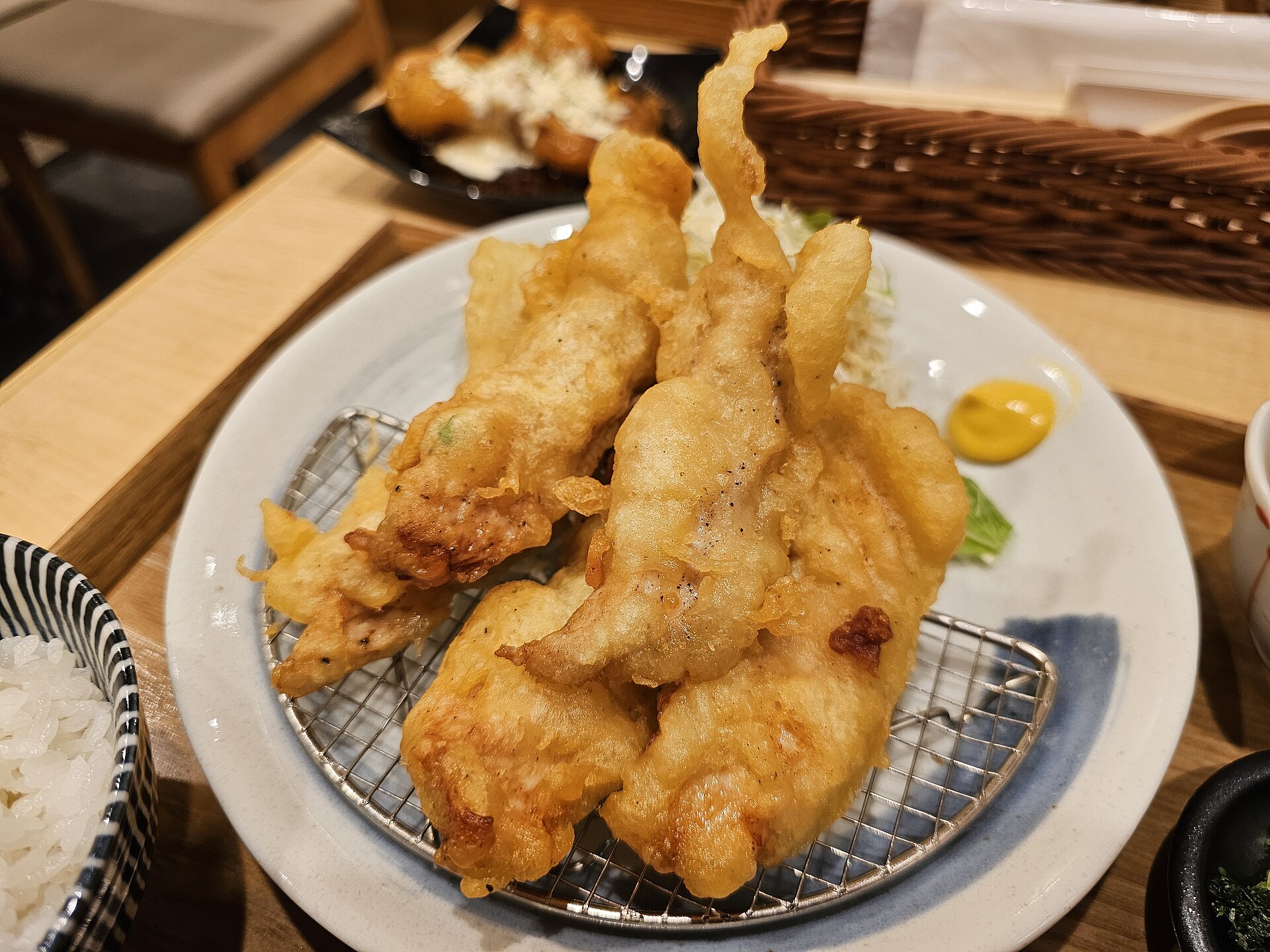
Toriten is Oita's everyday dish: chicken tempura dipped in vinegar-soy, often sharpened with kabosu, the green citrus of which Oita grows over 90% of Japan's crop. Toyoken, open in Beppu since 1926, is said to be where it began. Beppu reimen came from Manchuria after the war: noodles of wheat and buckwheat in a light dashi broth, topped with cabbage kimchi. Seki-saba and seki-aji are mackerel and horse mackerel caught one by one on hand lines in the fast Hoyo Strait, landed at Saganoseki and eaten raw. In Kannawa, food is steamed over 98°C spring vents.

Our tip — At Jigoku Mushi Kobo Kannawa you choose seafood, vegetables and eggs, then steam them yourself over the vents.

Trips

Trips based in Beppu

All Trips

Getting there

  • Tokyo HanedaAbout 1 h 35 by air to Oita Airport on ANA, JAL or Solaseed Air, with flights through the day. Jetstar flies from Narita.
  • Seoul IncheonJeju Air flies nonstop from Incheon to Oita (about 2 hours), up to daily depending on the season. Fukuoka is the easier gateway, with dozens of flights a day (about 1 h 30), and Beppu is about 2 hours from Hakata on the JR Sonic limited express.
  • United StatesThere are no nonstop flights from the US to Oita or Fukuoka. Most travelers fly into Tokyo Haneda and connect to Oita the same day, or connect through Seoul Incheon.
  • Oita Airport to BeppuThe airport is on the Kunisaki Peninsula across Beppu Bay. The airport bus reaches JR Beppu Station in about 50 minutes, and Beppu Golf Club is about 40 minutes away by car.

When to go

  • October – NovemberThe heat breaks (October highs average 23°C in Oita) and golf season begins. Mt. Tsurumi's slopes change colour from late October to mid-November, ten minutes above the city by ropeway.
  • December – FebruaryThe coast's mildest, driest months, with January highs around 11°C and about 50 mm of rain a month. On cold mornings mist rises off Yufuin's Kinrinko, and rime ice can whiten the top of Mt. Tsurumi.
  • March – AprilWarmer rounds, and cherry blossom from late March. Around April 1, Onsen Thanksgiving Day, the city holds the Beppu Hatto Onsen Festival, when the grass slopes of Mt. Ogiyama are burned.
  • June – SeptemberHot and wet. June has Oita's heaviest rain (over 300 mm), August highs average 32°C and typhoons can pass in September. The courses stay open, but this is the least comfortable time to play.

Beyond Tokyo

Add Beppu to your Japan

Tell us your dates and who is coming — a designer replies with a plan that fits Tokyo and Beppu into one trip.

Request a quote